 VIVULAR
Physical Activity and Well-being
The role of movement and physical activity in supporting health, mental clarity, and overall quality of life.
Movement as Foundation
Physical activity is fundamental to human well-being. The human body evolved for movement, and regular activity supports virtually every system: cardiovascular health, bone density, muscle mass, metabolic function, immune resilience, and cognitive performance. Movement is not a luxury but a biological necessity.
Well-being through movement extends beyond structured exercise to encompass the integration of activity into daily life—walking, gardening, recreational activities, or sports that bring joy and engagement rather than obligation or dread.
Forms of Physical Activity
Aerobic Activity
Sustained, rhythmic activity that elevates heart rate and breathing. Examples include walking, running, cycling, swimming, or dance. Aerobic activity supports cardiovascular health and endurance.
Strength and Resistance
Activities that challenge muscles against resistance, promoting muscle mass maintenance, bone strength, and metabolic health. Strength work can range from body-weight exercises to structured resistance training.
Flexibility and Balance
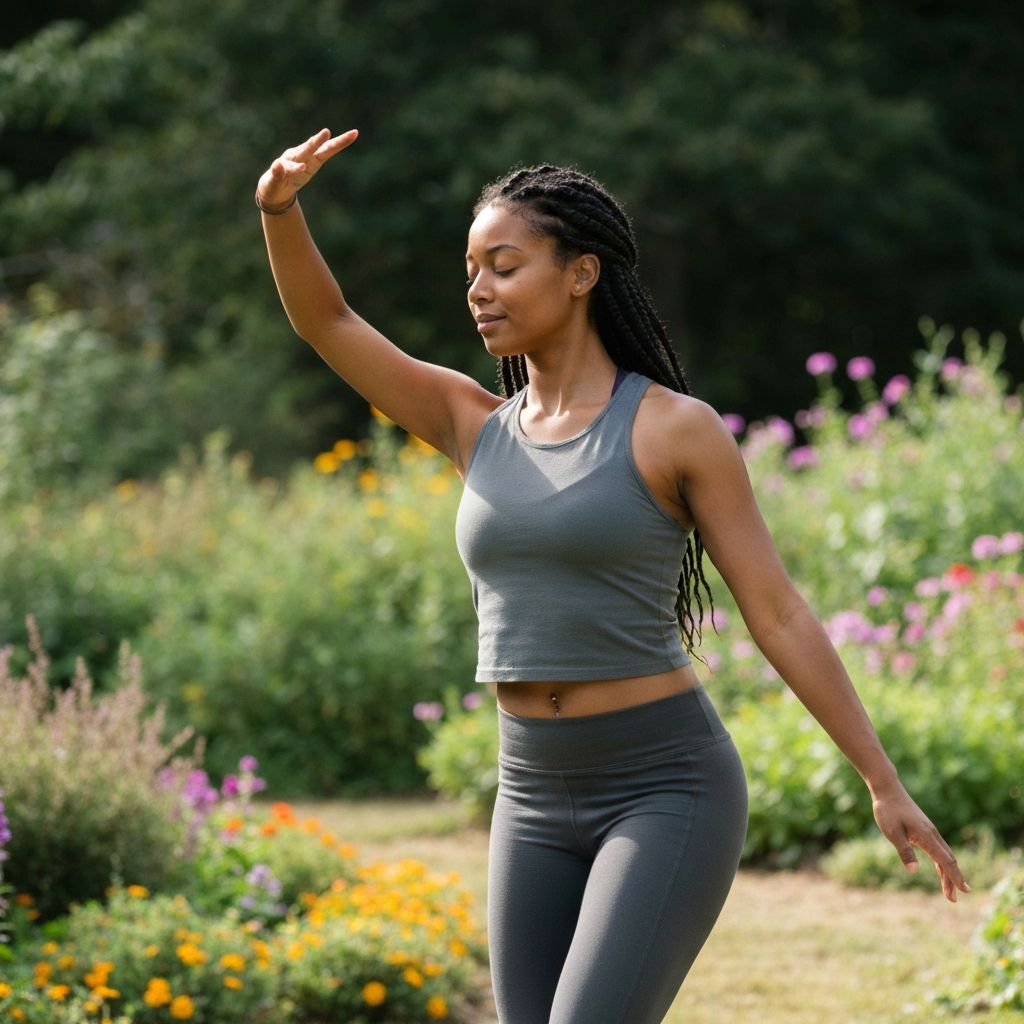
Practices like yoga, tai chi, stretching, or pilates support mobility, balance, and proprioceptive awareness. These practices contribute to functional capacity and injury prevention.
Psychological and Cognitive Benefits
Mental Health Support
Physical activity is one of the most evidence-supported interventions for mood regulation and mental health. Exercise triggers the release of endorphins and other neurochemicals that support emotional well-being and reduce symptoms of anxiety and depression.
Cognitive Function
Regular physical activity supports memory, cognitive clarity, and focus. Movement promotes blood flow to the brain, supports neuroplasticity, and enhances learning capacity across the lifespan.
Stress Resilience
Physical activity is a highly effective stress management tool. The combination of physical exertion, time outdoors, and mental focus during movement helps regulate the stress response and build resilience.
Individual Preferences and Sustainability
The most effective physical activity is the activity an individual will actually do consistently. This requires finding forms of movement that align with personal preferences, values, social circumstances, and physical capacity rather than following external prescriptions.
For some, structured fitness is energizing. For others, unstructured movement in nature, recreational sports, or community activities provides sustainable engagement. Cultural background, accessibility, age, and individual temperament all influence what forms of activity feel sustainable and enjoyable.

Activity and Longevity
Research consistently demonstrates that physically active individuals have longer lifespans and better quality of life across the lifespan compared to sedentary individuals. The relationship holds across diverse populations and appears robust across different cultures and time periods.
The specific form of activity matters less than consistency. Regular, sustainable physical activity—whether through formal exercise, occupational activity, recreational engagement, or daily movement—supports longevity and well-being.
Further Reading
Educational Content Only
This site provides information for educational purposes only. It does not offer individual health or dietary recommendations. Approaches to well-being vary widely, and the content presented here is not a substitute for personal decisions or professional medical advice.